We answer the phone 24/7

We answer the phone 24/7
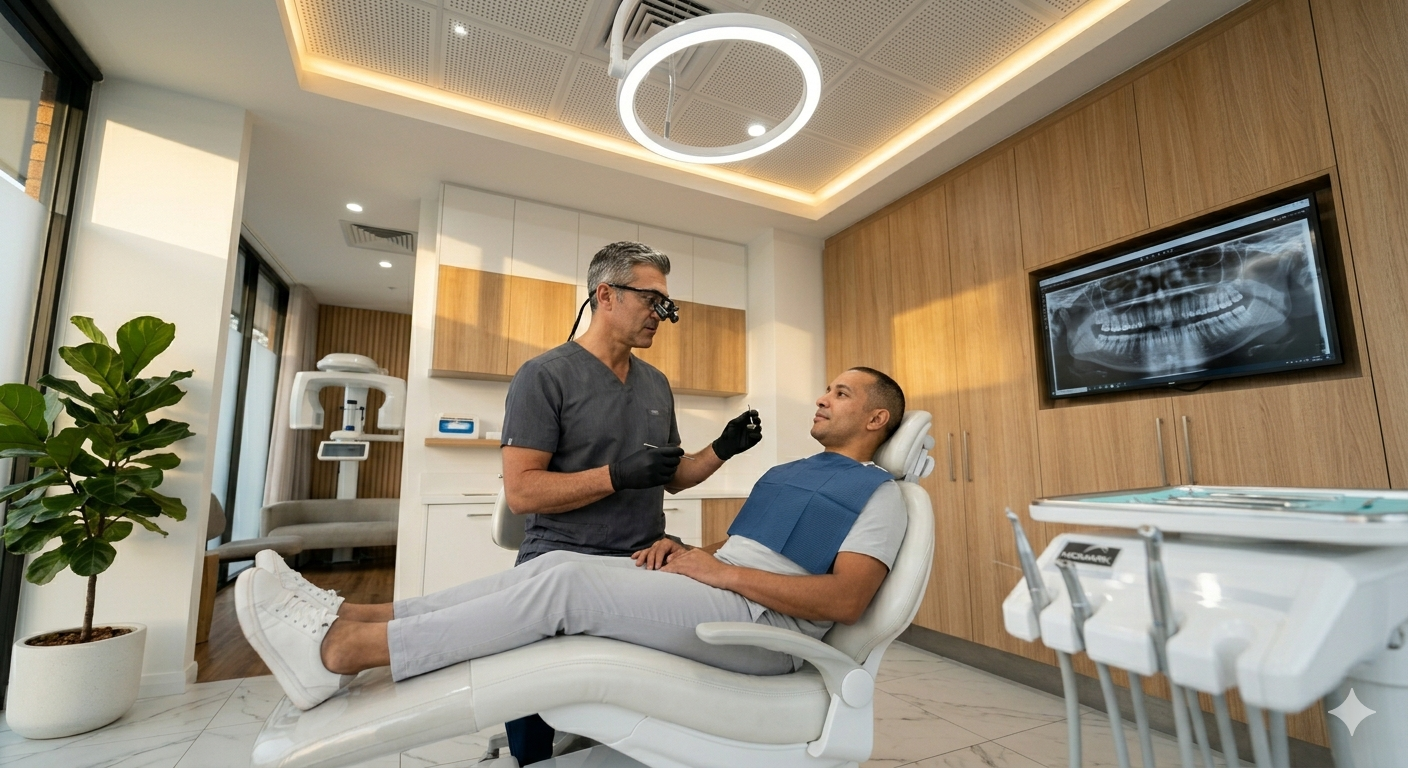
You can improve both how your smile looks and how your mouth functions without a major time commitment or needless discomfort. Cosmetic dentistry in Brooklyn Heights helps correct chips, gaps, stains, and misalignment while also addressing decay and bite issues, giving you a healthier, more confident smile.
A local, modern practice blends restorative care with aesthetic treatments so they fix problems and enhance appearance at the same time. Expect tailored options like veneers, clear aligners, whitening, and tooth-colored restorations delivered with comfort-focused techniques and preventive guidance.
They explain each step in plain language and design plans around your lifestyle and goals, so treatment fits into your daily routine. Keep reading to learn how these options protect oral health, boost confidence, and provide long-lasting results.
Cosmetic dentistry can strengthen chewing function, lower decay risk, and make daily cleaning more effective. Improvements often include aligning teeth, restoring fractures, and protecting vulnerable surfaces to prevent future problems.
Straightening misaligned teeth reduces tight contacts and overlapping surfaces where plaque and food particles hide. When teeth sit properly, brushes and floss can reach enamel and gum lines more consistently, which lowers the chance of cavities and gingivitis.
Clear aligners and orthodontic treatments used in Brooklyn Heights move teeth gradually, improving bite distribution and reducing uneven wear. Patients who once struggled to floss between crowded front teeth often report measurable improvements in gum health within months.
Dentists may combine alignment with reshaping or bonding to smooth rough edges that trap bacteria. These combined approaches make at-home hygiene simpler and more effective, helping maintain long-term oral health.
Restorations such as composite fillings, veneers, crowns, and inlays repair chips, cracks, and large cavities that compromise tooth structure. Rebuilding these teeth restores normal biting forces and prevents further fractures.
For deeper damage, a crown covers the entire tooth to redistribute stress and seal margins against bacterial invasion. Porcelain veneers can replace weakened enamel on front teeth, improving both function and resistance to decay.
Modern bonding materials adhere strongly to tooth structure and match natural color, allowing dentists to repair damage conservatively. Prompt restoration reduces the risk of infection, root canal treatment, and tooth loss.
Cosmetic work often includes preventive choices that cut future treatment needs, such as sealing grooves, reinforcing worn edges, or using night guards to stop bruxism. These targeted measures reduce enamel loss and lower the incidence of sensitivity and fractures.
Regular follow-ups after cosmetic procedures let the dentist monitor margins, bite, and gum response, adjusting care sooner than later. Combining cosmetic changes with fluoride treatments and personalized hygiene plans further decreases the likelihood of recurrent decay.
Patients who invest in both appearance and protective restorations generally require fewer emergency visits and enjoy more stable oral health over time. A brief consultation can outline specific risk-reduction strategies tailored to each mouth.
Improved appearance, clearer speech, and easier eating all contribute to a stronger sense of self. Practical changes like straighter teeth, repaired chips, and whiter enamel produce measurable effects on daily life and interactions.
Cosmetic dentistry often targets visible concerns that patients notice first: gaps, stains, uneven edges, or missing teeth. Correcting these issues with veneers, bonding, whitening, or implants gives a person a smile that matches their desired self-image. When a smile aligns with how someone wants to be perceived, confidence in casual and formal settings increases.
Feeling better about one’s teeth reduces self-conscious behaviors such as covering the mouth, avoiding photos, or speaking softly. That change can lead to more frequent smiling, which in turn reinforces positive self-perception. Many patients report improved mood and willingness to participate in social activities after treatment.
Cosmetic treatments also integrate with routine dental care. Maintaining restorations through regular cleanings and checkups preserves results, so the boost in self-esteem tends to last. Clear expectations and realistic treatment plans help patients feel secure about outcomes before any procedure begins.
A well-proportioned, healthy-looking smile influences first impressions in both social and work environments. Recruiters, colleagues, and potential partners often perceive people with neat, bright smiles as more approachable and competent. Small improvements—aligned front teeth or corrected spacing—can shift how others interpret facial expressions and verbal cues.
In professional settings, confidence in one’s appearance supports clearer communication and willingness to take on visible roles such as presenting or interviewing. Patients who no longer worry about dental appearance tend to speak more assertively and maintain better eye contact, which employers and clients notice.
Socially, cosmetic improvements reduce anxiety tied to photos, dates, or group conversations. That lowered anxiety increases participation in events and strengthens relationships. Dentists in Brooklyn Heights often pair cosmetic work with advice on maintenance and bite function to ensure improvements are both attractive and durable, minimizing future interruptions to social or professional life.
These treatments address common concerns—stains, chips, gaps, and mild alignment issues—using predictable, minimally invasive techniques. Most options focus on comfort, shorter treatment times, and natural-looking results tailored to the patient’s facial features and lifestyle.
Professional in-office whitening uses high-concentration hydrogen peroxide or carbamide peroxide gels activated by light or simply time. It produces noticeable shade improvements in one appointment (usually 45–90 minutes) and suits patients with extrinsic stains from coffee, tobacco, or aging enamel.
Take-home kits provided by the dentist include custom-made trays and lower-concentration gels for gradual whitening over 1–2 weeks. These give control over sensitivity and shade and work well for maintenance after in-office treatment.
Over-the-counter products (strips, toothpaste, whitening pens) offer modest results and may unevenly whiten restorations. Dentists evaluate tooth sensitivity, existing restorations, and gum health before recommending the safest, most effective whitening route.
Porcelain veneers are thin ceramic shells bonded to the front of teeth to correct color, shape, and minor alignment issues. They require conservative enamel removal—typically 0.3–0.7 mm—so the final look is proportionate and lifelike.
The process commonly spans two to three visits: initial consultation and digital smile design, conservative preparation with impression or digital scan, and final bonding of custom-matched veneers. Porcelain resists staining and simulates natural enamel translucency.
Veneers suit patients wanting durable aesthetic change but not major bite or jaw correction. Candidates need healthy gums and sufficient enamel; dentists discuss alternatives like bonding or orthodontics when appropriate. Maintenance includes regular hygiene and avoiding excessive biting forces.
Clear aligners use a series of custom, removable trays to move teeth gradually for mild to moderate crowding, spacing, or bite issues. Treatment planning starts with digital scans and 3D treatment simulations that show staged tooth movements and estimated timelines.
Patients wear aligners 20–22 hours daily, switching trays every 1–2 weeks. Average adult treatment ranges from 6 to 18 months depending on complexity. Aligners combine cosmetic discretion with better oral hygiene access compared with fixed braces.
Not all cases qualify for aligners; complex skeletal problems may require braces or orthognathic surgery. Dentists or orthodontists monitor progress with periodic checkups and adjustments to attachments or interproximal reduction when needed.
Modern dental care in Brooklyn Heights focuses on reducing discomfort and saving patients time. Treatments now emphasize conservative techniques, fewer visits, and predictable outcomes so patients can return to work or social life quickly.
Dentists use adhesive bonding, porcelain veneers, tooth-colored composite fillings, and laser-assisted gum reshaping to preserve as much natural tooth structure as possible. For example, resin-bonded veneers typically require 0.3–0.7 mm of enamel removal compared with several millimeters for traditional crowns, which lowers the risk of sensitivity and the need for root canal treatment later.
Local anesthetic with topical numbing and computerized delivery systems reduces injection discomfort. In-office sedation options such as nitrous oxide or oral sedatives address anxiety without general anesthesia. Digital tools — intraoral scanners and 3D imaging — replace messy impressions and speed planning for restorations.
Benefits for the patient:
Many cosmetic treatments now allow same-day return to normal activity. Chairside CAD/CAM milling can produce a crown or veneer in a single visit, eliminating weeks with provisional restorations and reducing follow-up appointments.
Soft-tissue procedures using lasers cause less bleeding and swelling than scalpel surgery, which cuts typical healing from two weeks to a few days for most patients. Postoperative instructions commonly include over-the-counter analgesics and cold compresses; dentists provide clear timelines for eating, oral hygiene, and when to resume strenuous activity.
Typical recovery expectations:
Patients are encouraged to discuss anesthesia preferences, medication tolerances, and scheduling needs with their dentist to tailor comfort measures and minimize downtime.
Patients find tailored solutions that match their dental goals, lifestyle, and budget. The focus stays on predictable results, comfortable visits, and preservation of natural tooth structure.
Practices in Brooklyn Heights begin with a detailed evaluation that includes medical history, dental imaging (digital X-rays or CBCT when needed), and intraoral photos. They map treatment objectives—cosmetic goals, functional needs, timeline, and cost—and present two to three evidence-based options with pros and cons for each. For example, a patient wanting whiter teeth plus corrected minor alignment might receive a combined plan of in-office whitening followed by clear aligners and conservative composite bonding. Labs or CAD/CAM milling are used when veneers or crowns are indicated, allowing same-day or staged restorations. The plan typically lists steps, expected chair time, maintenance recommendations, and financing choices, so patients can make informed decisions.
Brooklyn Heights clinics emphasize communication, pain control, and appointment flexibility. Clinicians discuss anesthesia choices, sensitivity management, and what to expect at each visit to reduce anxiety. Staff often coordinate care across specialists—orthodontists, periodontists, or labs—so restorative timing and esthetic outcomes align. Practices also adapt to patient needs, offering early-morning or evening slots, digital progress photos for remote follow-up, and written care plans after procedures. Emphasis on preventive visits and tailored at-home care helps protect cosmetic investments and prolong restoration lifespans.
This section highlights how modern cosmetic treatments maintain function and appearance over years and how simple care steps extend those gains.
Porcelain veneers and crowns resist staining and chipping far better than composite resin when placed correctly. Porcelain veneers typically last 10–15 years with normal wear; well-made crowns on molars can function reliably for 10–20 years depending on bite forces.
Dental implants replace missing teeth with a titanium post and a ceramic crown; the implant fixture itself often lasts decades if osseointegration succeeds and the crown is maintained. Bond strength, occlusion (bite) adjustment, and lab fabrication quality determine longevity, so choosing an experienced prosthodontist or cosmetic dentist matters.
Teeth whitening results vary: in-office bleaching produces the most predictable shade stability, but periodic touch-ups (at home or in the office) help maintain shade for years. Night guards and occlusal adjustments protect restorations from grinding, significantly reducing fracture risk.
Daily habits matter: brushing twice with a fluoridated toothpaste, flossing once daily, and using an antimicrobial rinse reduce decay risk around restorations. Regular dental checkups every 3–6 months let the dentist spot early wear, marginal gaps, or cement breakdown before costly failures occur.
Avoid using teeth as tools, limit stain-causing foods and drinks, and stop smoking to preserve appearance. For patients who grind, a custom night guard prevents microfractures and adhesive failures that lead to premature replacement.
Insurance, extended warranties from dental labs, and financing plans can make maintenance affordable. Patients should confirm what their plan covers for repairs and ask the dentist for a written maintenance schedule to follow.
Patients often feel unsure about where to begin with cosmetic dentistry, and a short consultation makes the path clear. The dentist will review goals, examine oral health, and recommend options that match lifestyle and budget.
Offerings range from simple whitening to veneers or orthodontics. Each choice includes expected results, timeline, and cost so patients can decide with confidence.
Many practices provide financing, flexible scheduling, and sedation options for comfort. These supports make treatment accessible and reduce anxiety for those who feel nervous.
Use this quick checklist to prepare for an appointment:
They should expect personalized care focused on long-term oral health, not just appearance. The dentist will balance aesthetics with function to protect teeth and gums while improving the smile.
If questions remain, calling the office or booking an initial visit offers clarity. A friendly team can explain next steps and create a plan tailored to each patient’s needs.
This FAQ covers how cosmetic dentistry can change daily life, the most common treatments, safety and longevity of whitening, lifespan and care for veneers and bonding, differences between clear aligners and braces, and ways to find affordable local care and payment options.
Cosmetic dentistry repairs visible concerns like stains, chips, gaps, and misalignment to create a more balanced smile.
A healthier-looking smile often reduces self-consciousness, which can improve social interactions and professional presence.
Professional teeth whitening removes deep stains and brightens enamel quickly.
Veneers and dental bonding reshape teeth, close small gaps, and hide discoloration for a uniform appearance.
Clear aligners and orthodontics straighten teeth without visible metal, improving alignment and bite.
When performed or supervised by a licensed dentist, in-office and take-home whitening systems are safe and effective.
Results typically last 6 months to 3 years depending on diet, smoking, and oral hygiene; occasional touch-ups maintain brightness.
Porcelain veneers often last 10–15 years with good care; composite bonding usually lasts 5–7 years before replacement or touch-up.
Patients should avoid hard bites on non-food items, maintain twice-daily brushing, floss daily, and see the dentist every 6 months.
Clear aligners use a series of removable, nearly invisible trays to move teeth gradually; they suit mild-to-moderate alignment issues and allow easier oral hygiene.
Traditional braces attach brackets and wires for precise control, often better for complex movements and severe bite corrections.
Search local dentist directories, read patient reviews, and check the dentist’s before-and-after galleries to compare results.
Many practices offer payment plans, CareCredit, and in-office financing; some insurance plans cover part of orthodontics or restorative work, while whitening and veneers are usually out-of-pocket.